Every Friday I write down what LFW actually did that week. Week one, week two, week three.
This is week four.
Try LFW is open
The biggest thing this week: Try LFW opened on Monday.
It has six real WordPress sites, built the way LFW builds for clients:
- A law firm (fictional)
- An accounting firm (fictional)
- A government relations firm (fictional)
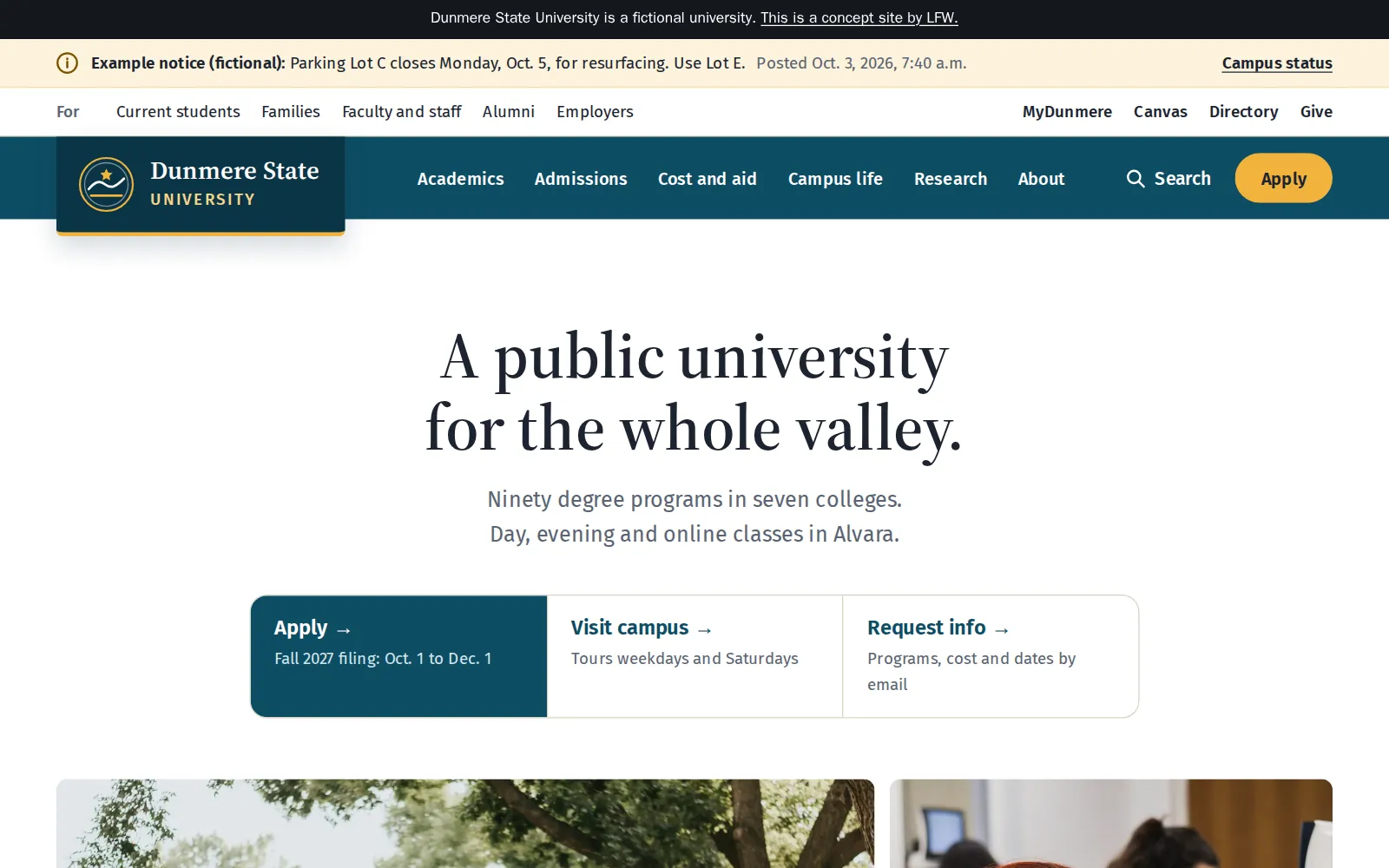
- A state university (fictional)
- A community college (fictional)
- A copy of WesternLoudoun.com, the local guide I run
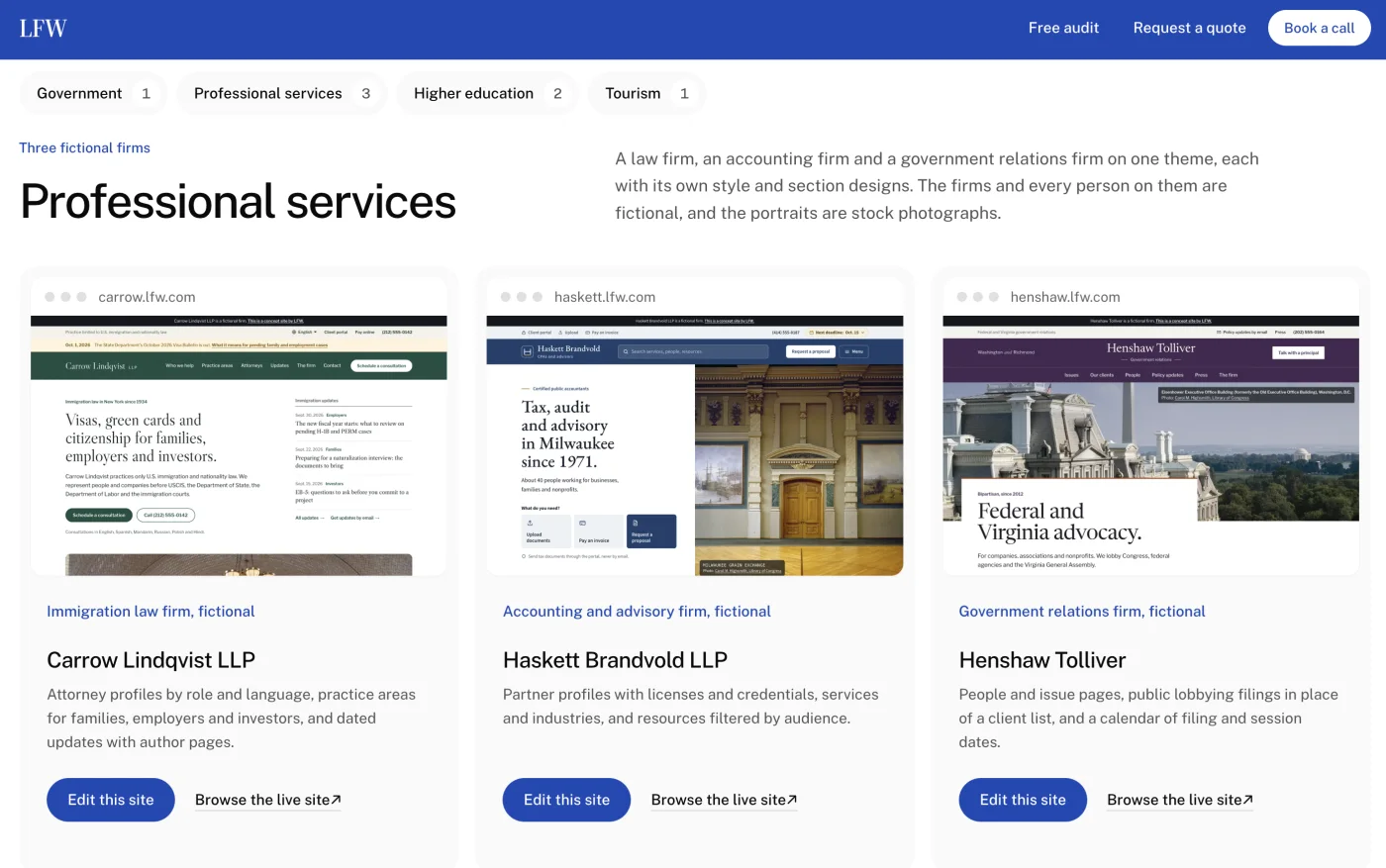
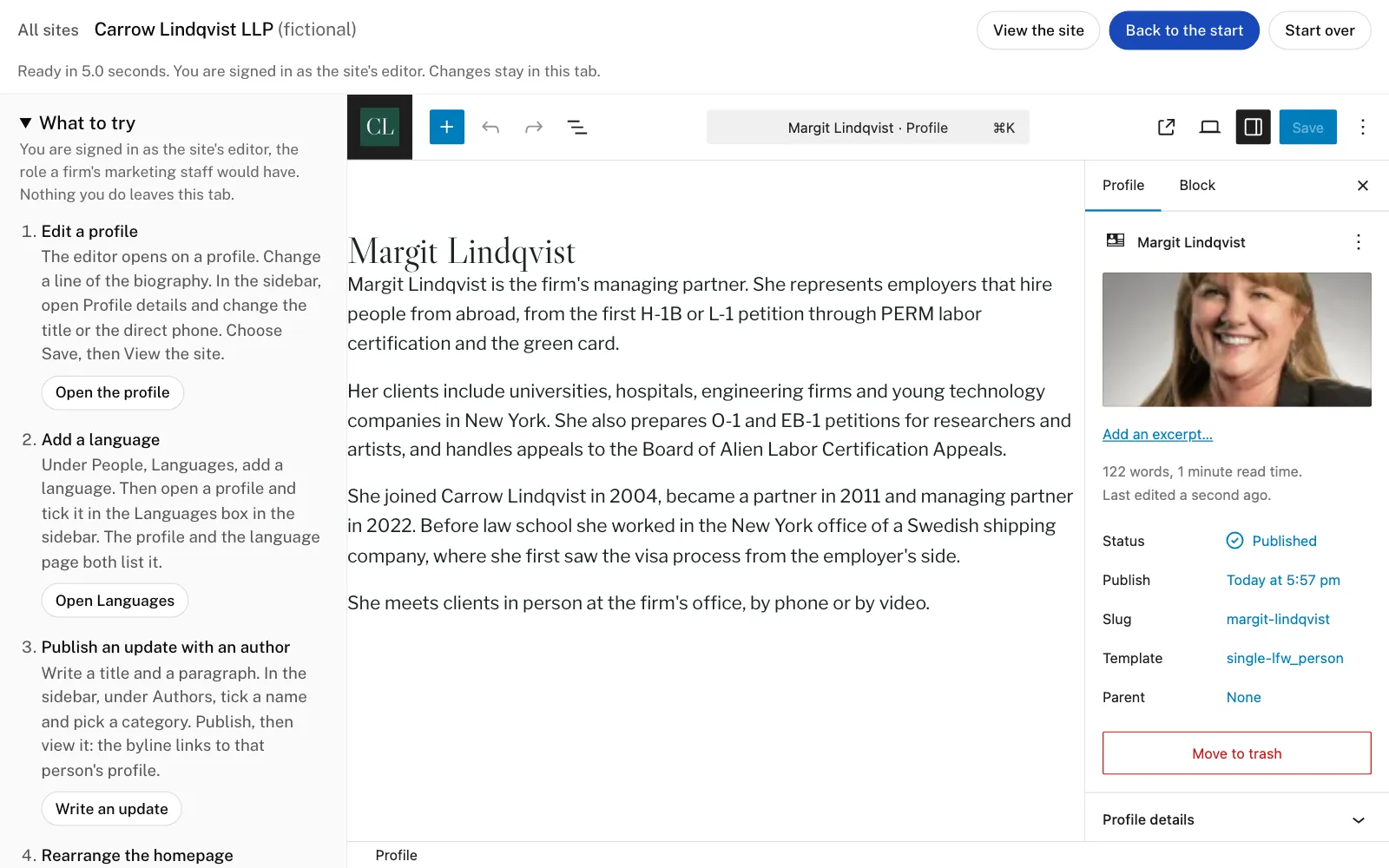
Pick one and it opens in the editor, inside your browser tab.
You work as the organization's communications staff would: edit a profile, publish an update, rearrange the homepage.
How it runs
There is no server behind the editor. Each site runs on WordPress Playground, the WordPress project's own way of running WordPress inside a browser.
PHP is compiled to WebAssembly, and the database lives in the tab.
LFW builds a pinned version of Playground and serves it from try.lfw.com itself. The first visit downloads about 16 MB. After that, a site starts in seconds.
That design is also the security model:
- The sandbox has no network access.
- Plugins cannot be installed.
- Nothing you type leaves your browser, and no other visitor sees it.
- A reload starts it over.
A city to browse
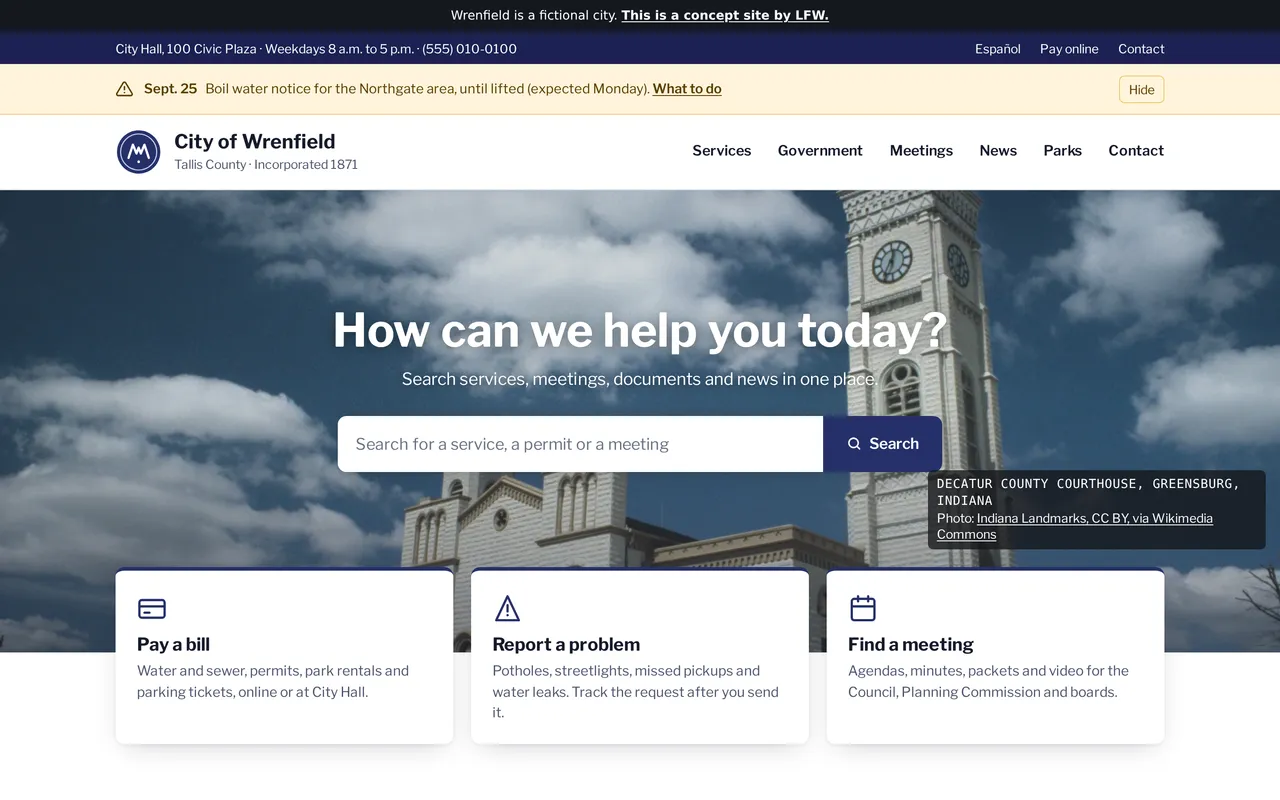
A seventh site, the fictional City of Wrenfield, is there for local government: bill pay, service requests, meetings and an emergency alert across the top. It is live to browse.
Why we built them
Buyers ask for past performance: sites you have built for organizations like theirs. That is a fair question.
LFW's motto is "There is no lift too heavy." A buyer has no way to know what that means from a sentence.
So instead of telling them, we show them: a working site in their field that they can open and edit before they ever talk to us.
Eight proposals out
Eight proposals went out this week, more than the first three weeks combined. They went to:
- A public university
- A public housing authority
- A county tourism office
- A downtown development authority
- A tribal nation's business network
- A regional nonprofit
- A nonprofit social enterprise
- A law firm
Most went through online portals. Two were printed, bound and sent by Priority Mail, and one of those carried a USB drive with the electronic copy, because the buyer asked for both.
Homecoming at WeWork
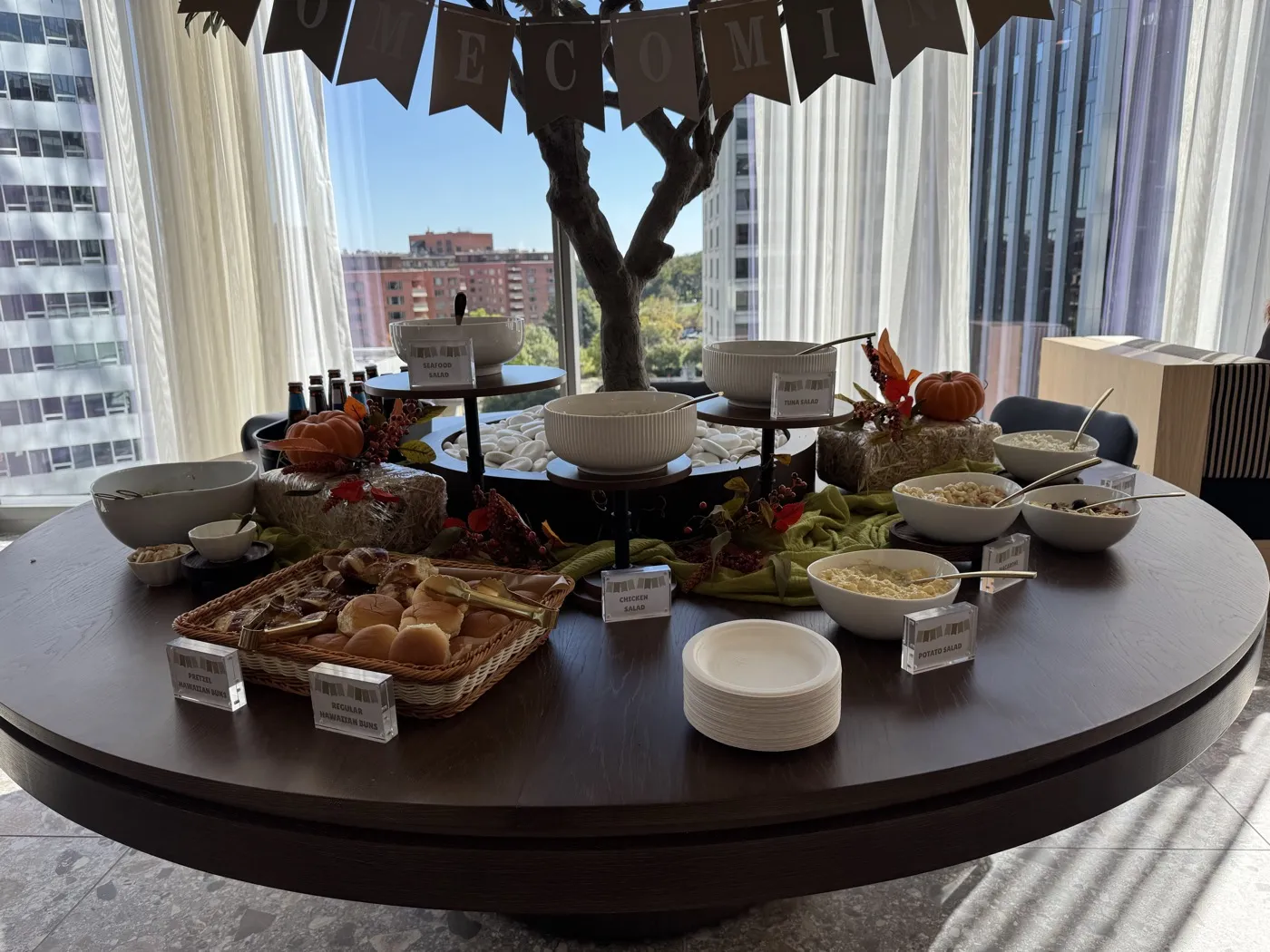
On Thursday the WeWork in Rosslyn held a homecoming.
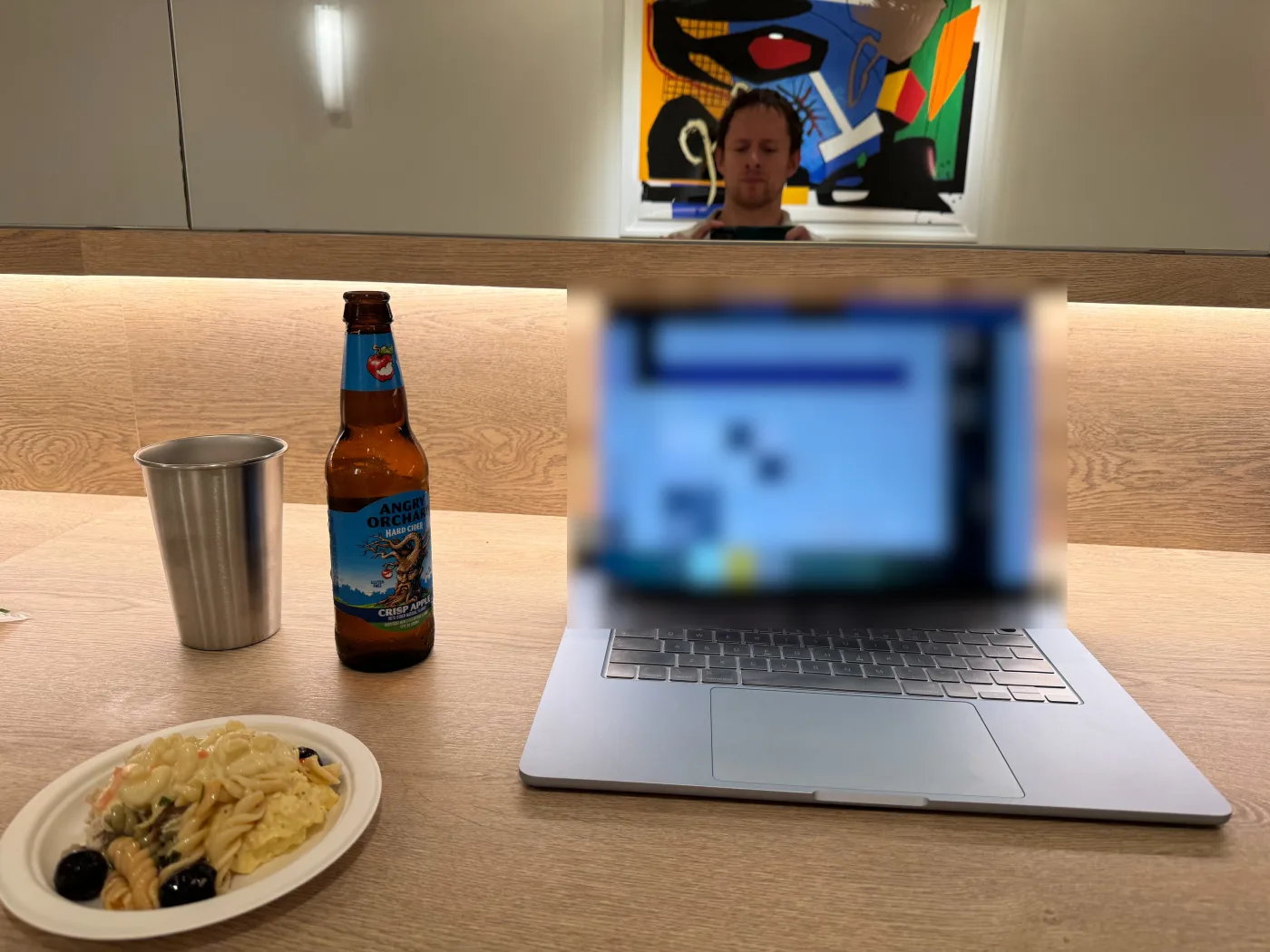
The announcement said: "Come bring your crew and your school spirit for a homecoming hangout! Sip on a cold cider and fill up a plate."
The table had chicken, tuna, macaroni, pasta and potato salads. To drink, there was beer and hard cider. That is the table at the top of this post.
I had a cider with tuna, macaroni, pasta and potato salads. On the second plate I swapped the tuna for chicken, to diversify my protein.
What changed on LFW.com
161 commits this week. Two more changes worth a closer look.
Security and procurement practices, published
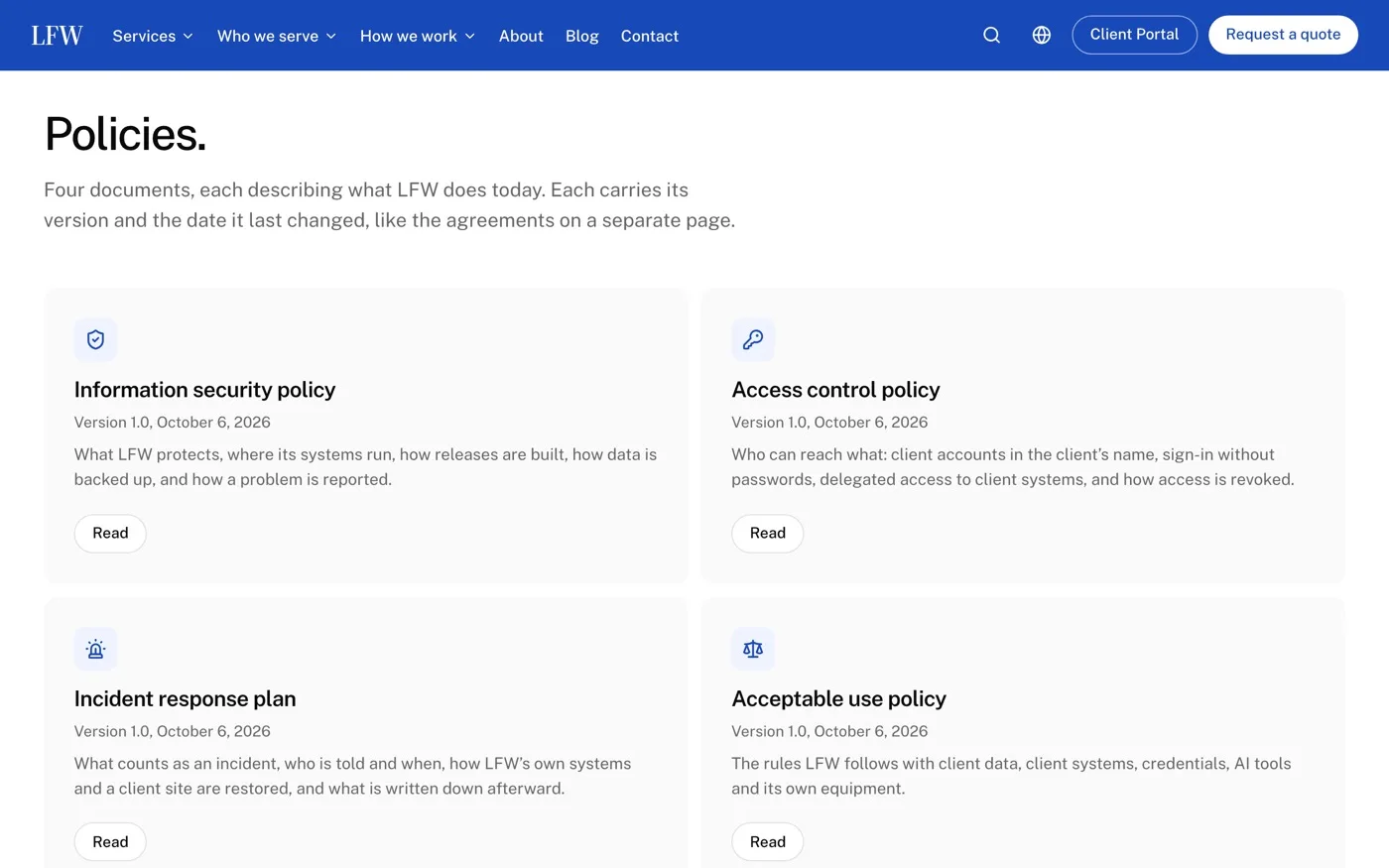
The new Trust page puts LFW's security and procurement answers in one place, each document dated and versioned, so a procurement office can read them before it asks:
- Information security policy: what LFW protects, where its systems run, how releases are built and backed up.
- Access control policy: client accounts in the client's name, sign-in without passwords, and how access is revoked.
- Incident response plan: who is told and when, and how a site is restored.
- Acceptable use policy: the rules for client data, credentials and AI tools.
- Security questionnaire answers: the higher education questionnaire (HECVAT), answered in full.
- Accessibility conformance report: how LFW.com measures against WCAG.
The client portal moved to its own address, for security
The client portal now lives on its own address, my.lfw.com, instead of lfw.com/portal on the public website. The old address forwards there. A separate address gives it its own walls in the browser:
- Your sign-in stays on my.lfw.com. Before, it went along with every request to the public website. Now the browser sends it only to the portal.
- The public site cannot look inside. A script running on LFW.com cannot read portal pages, because the browser treats the two addresses as separate origins.
As before, the sign-in travels only over HTTPS, no other LFW address can set or overwrite it, and there is no password to steal: you sign in with a one-time email link or a passkey.
WesternLoudoun.com launched
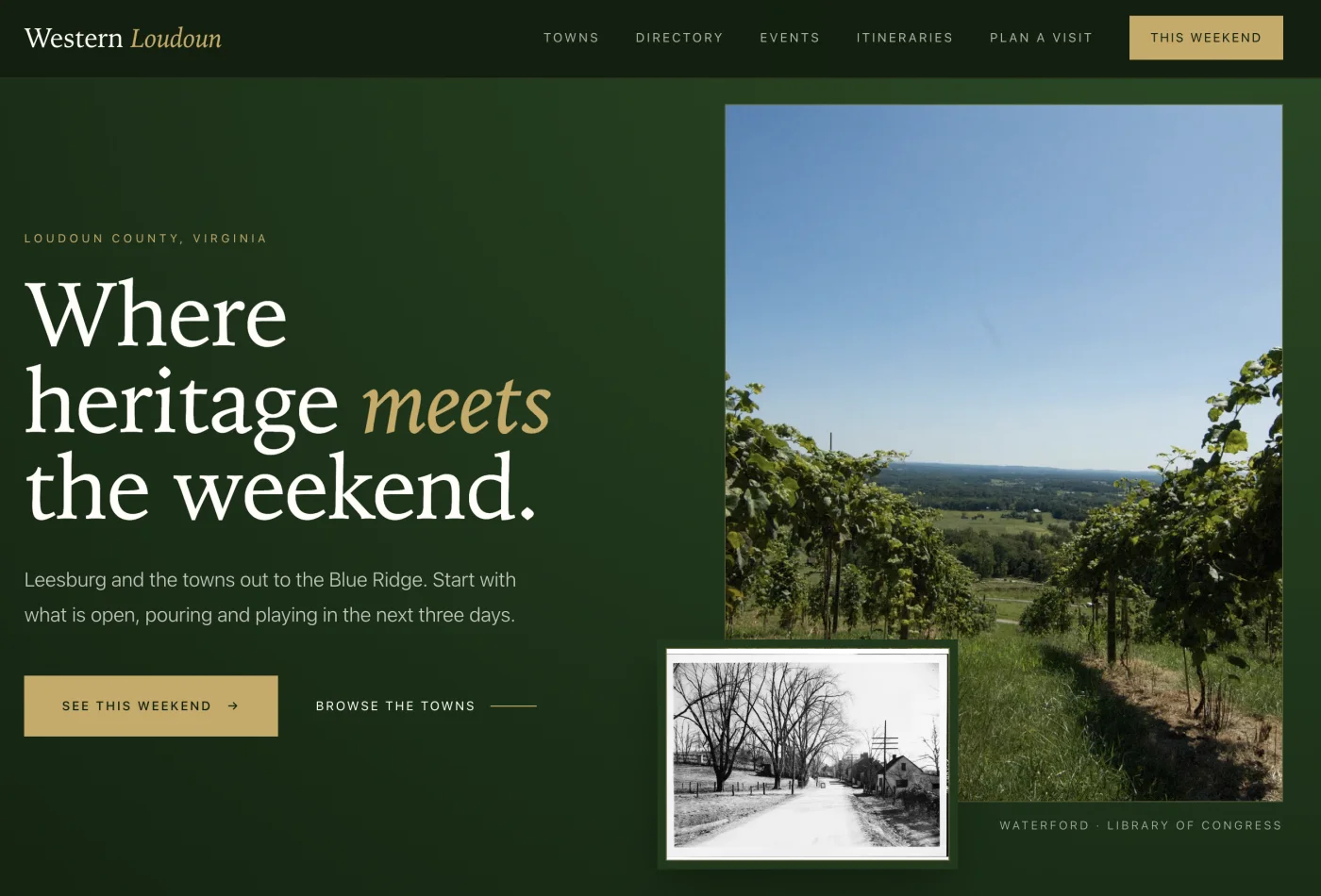
WesternLoudoun.com went live on Wednesday: an independent guide to the towns, tasting rooms and events of western Loudoun County, from Leesburg to the Blue Ridge, built and run by LFW.
Its directory lists 97 places. This week it added 13 in Round Hill and Hamilton, plus Williams Gap Vineyard.
Every listing is checked once a week and shows the date, so a closed business does not stay up.
Its events come from the towns' and venues' own public calendars and refresh every morning.
You can also edit a copy of it: it is the tourism site on Try LFW.
Next week
More proposals go out.
If you know an organization whose website has nobody looking after it, I would be grateful for the introduction.
Get the LFW Weekly Recap
A newsletter sent every Friday with the week at LFW. One email a week, and no other blog posts.
We send one confirmation email first. Nothing else arrives until you click it.
Check your inbox
A confirmation link is on its way to . Click it to start the weekly recap.
 Leland Fiegel