The improvements we make to LFW.com, from clearer page layouts to new ways of getting things
done. This is the same ongoing attention we bring to the websites we manage.
Article collections bring together writing relevant to different kinds of organizations. Each collection has its own feed and email signup, so there are several ways to follow the subjects that matter to your team.
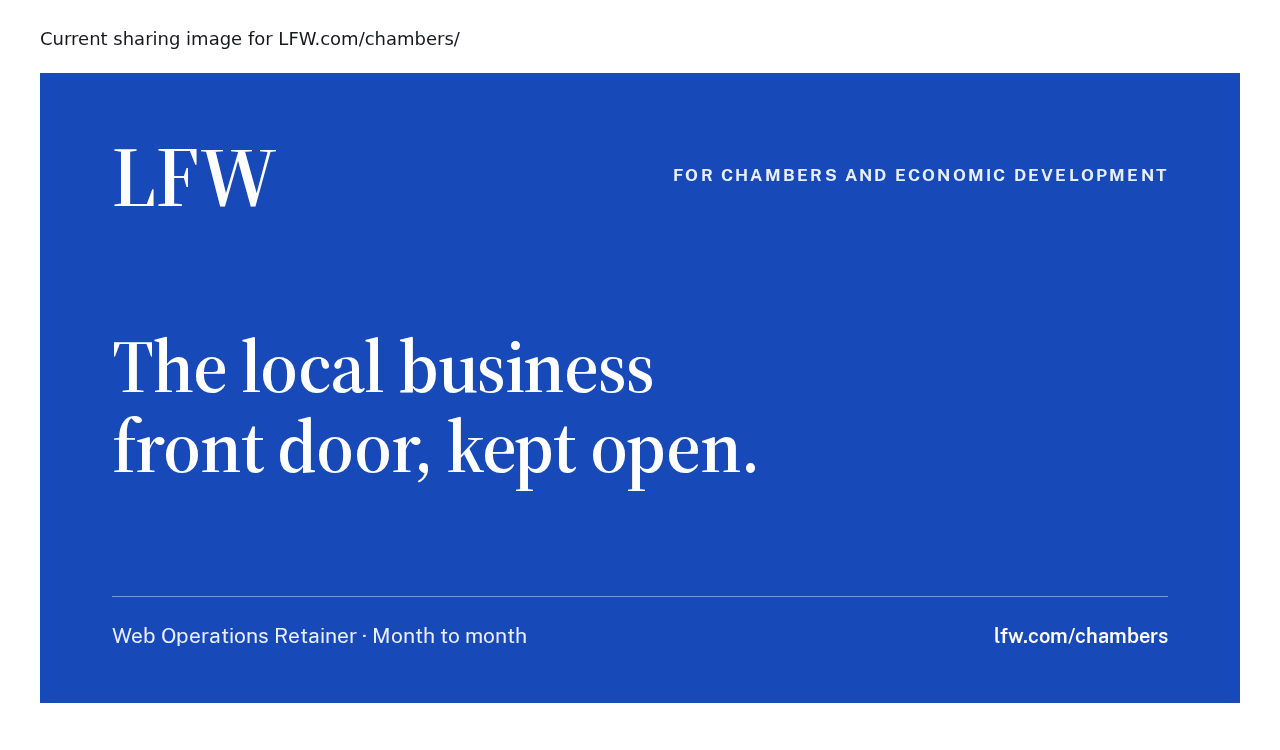
The chambers page connects website work with the things members use, including directories, events, and regular updates. It gives a chamber team a more relevant starting point for discussing what the site needs next.
Shared links have previews that identify the page they lead to. Service and audience pages carry their own title, making a link easier to recognize in a message or social feed.
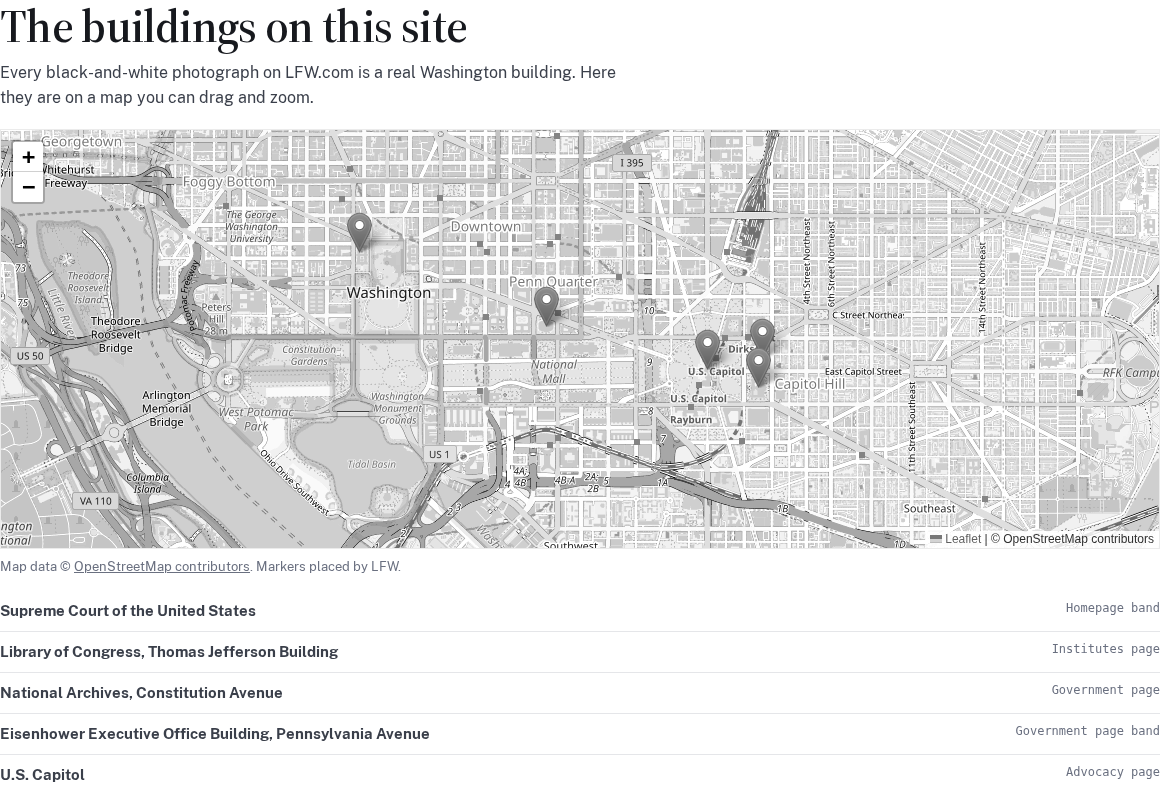
Try an interactive chart and map in the public data demonstration. Tables and text lists accompany the visual views, so the information is still available in another form.
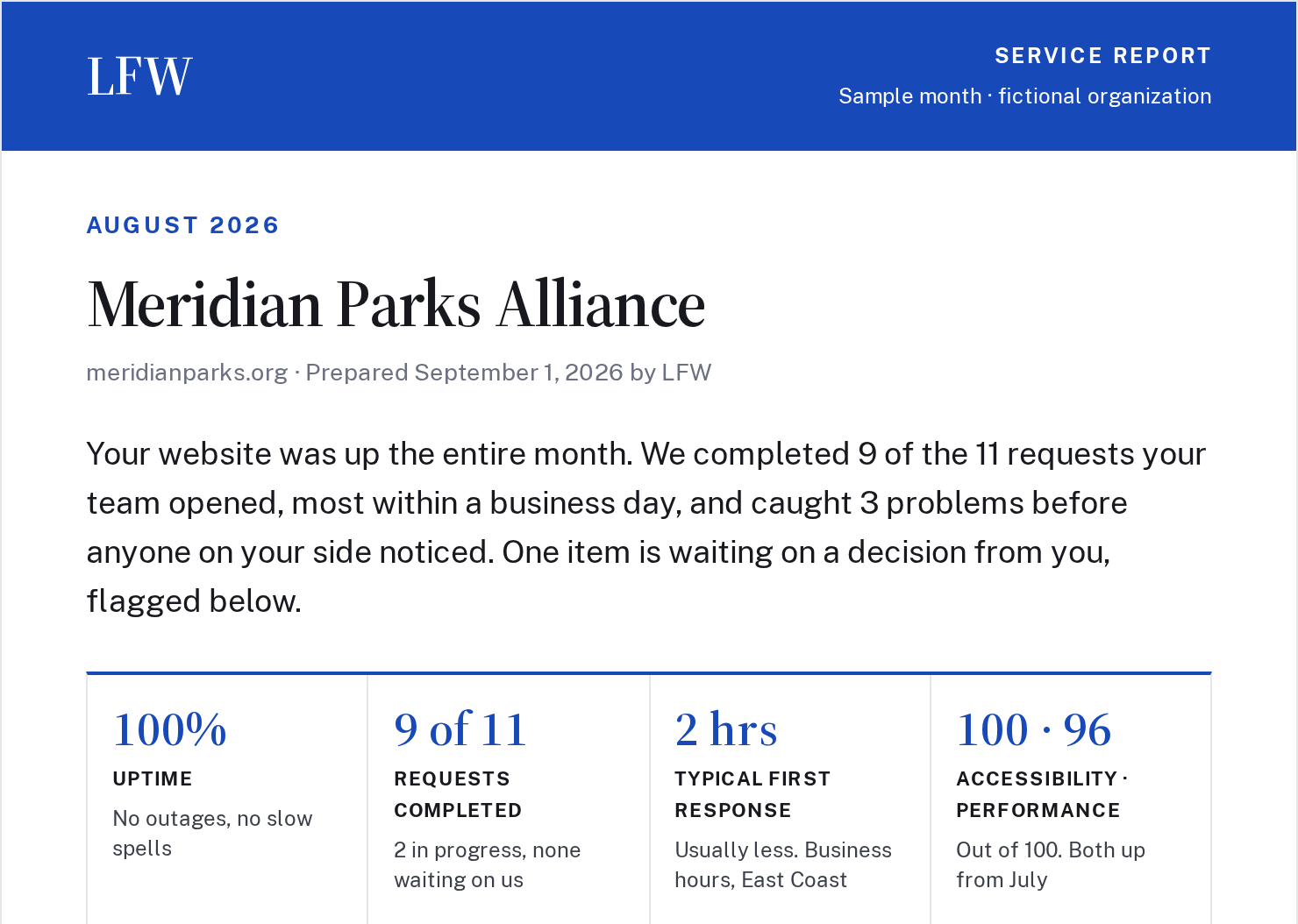
Open a complete sample service report to see the work recorded across a month. Completed requests, work still in progress, and the next decisions are gathered into a document a team can review together.
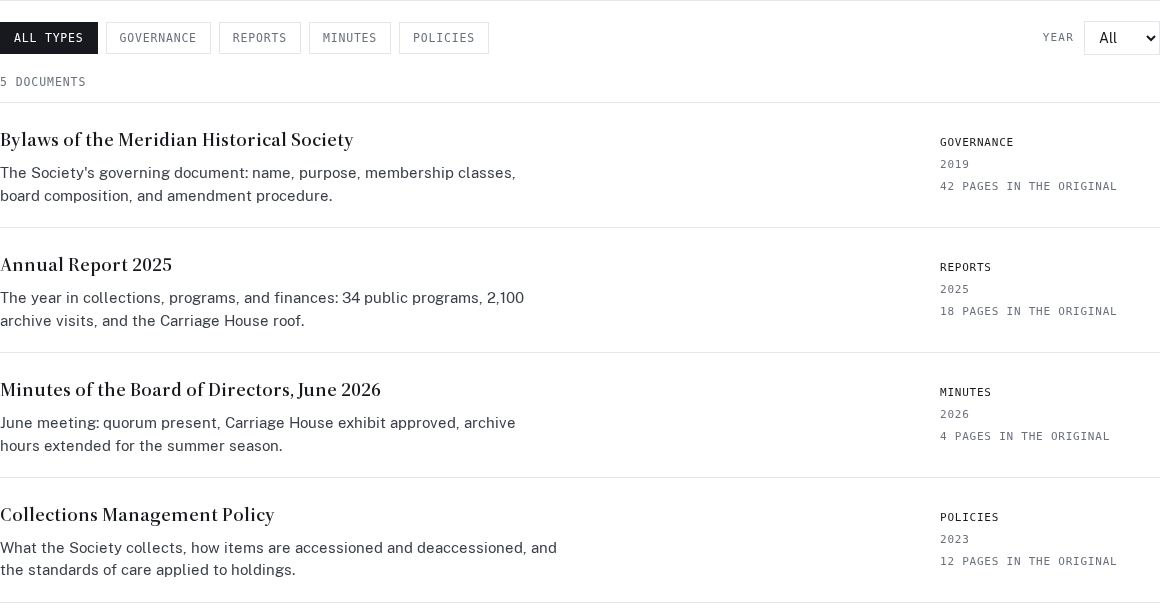
The document library demo lets visitors narrow a collection by document type and year, then read an item as a web page. It uses a fictional historical society to show how an archive could become easier to browse.
This is a prepared browsing demonstration. It does not offer document uploads or live conversion.
A guide follows the small decisions that make forms easier to finish, from labels and mobile keyboards to useful error messages. The articles explain the problems and include examples you can try.
Agencies have a page that speaks to ongoing website work and projects that need experienced hands. It sets out how to discuss scope, delivery, and the relationship with the client before work begins.
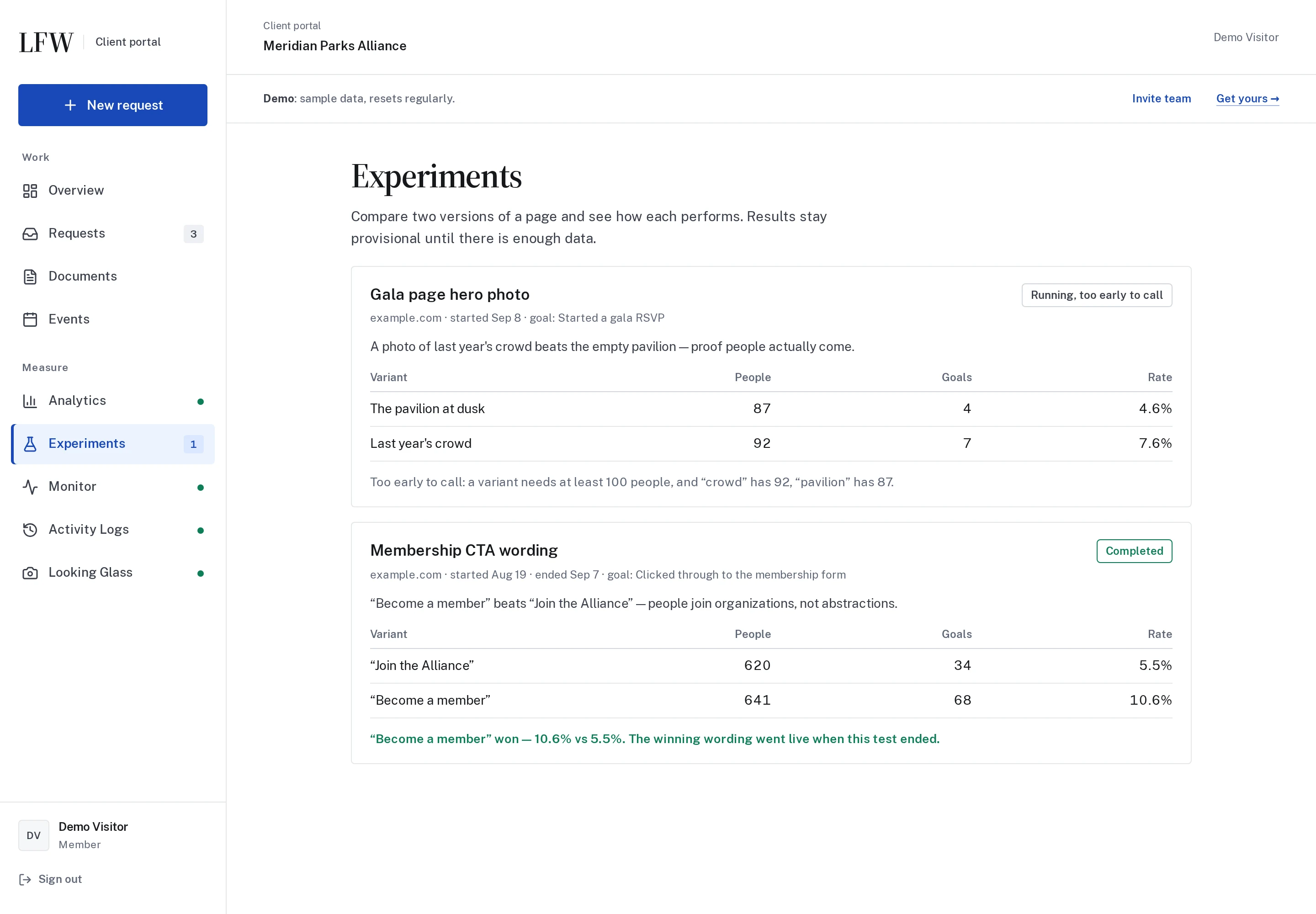
The Experiments example shows how a team can compare two versions of a page and follow the results. It also makes room for an honest answer when there is not yet enough evidence to choose a winner.
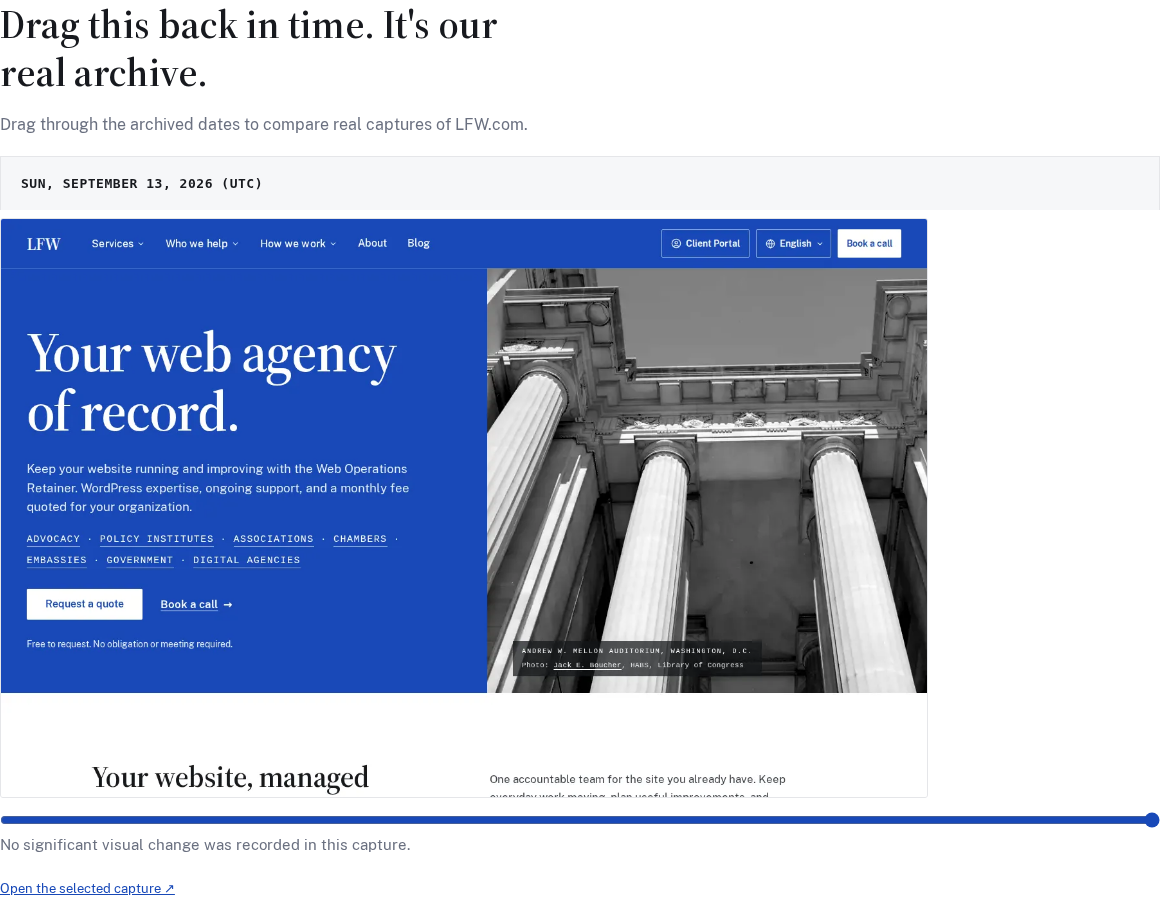
Move through dated captures of LFW.com to see how the website has changed. Looking Glass makes those earlier views easier to inspect when a team needs a record of its public pages.
The capability statement brings our services, background, and contact details into a document you can keep or pass along. It distinguishes Leland’s prior employment from work delivered by LFW.
Selected public improvements to LFW.com. Client work and confidential operational details
stay private. Earlier entries were collected from the project’s history and dated to the
relevant milestones. Screenshots labeled “current” show the version captured for this
changelog, not necessarily the version on the entry’s date.
What could we improve on your site?
Bring the website you have and the things you’d like to change. We’ll talk through the
priorities and prepare a quote for your organization.